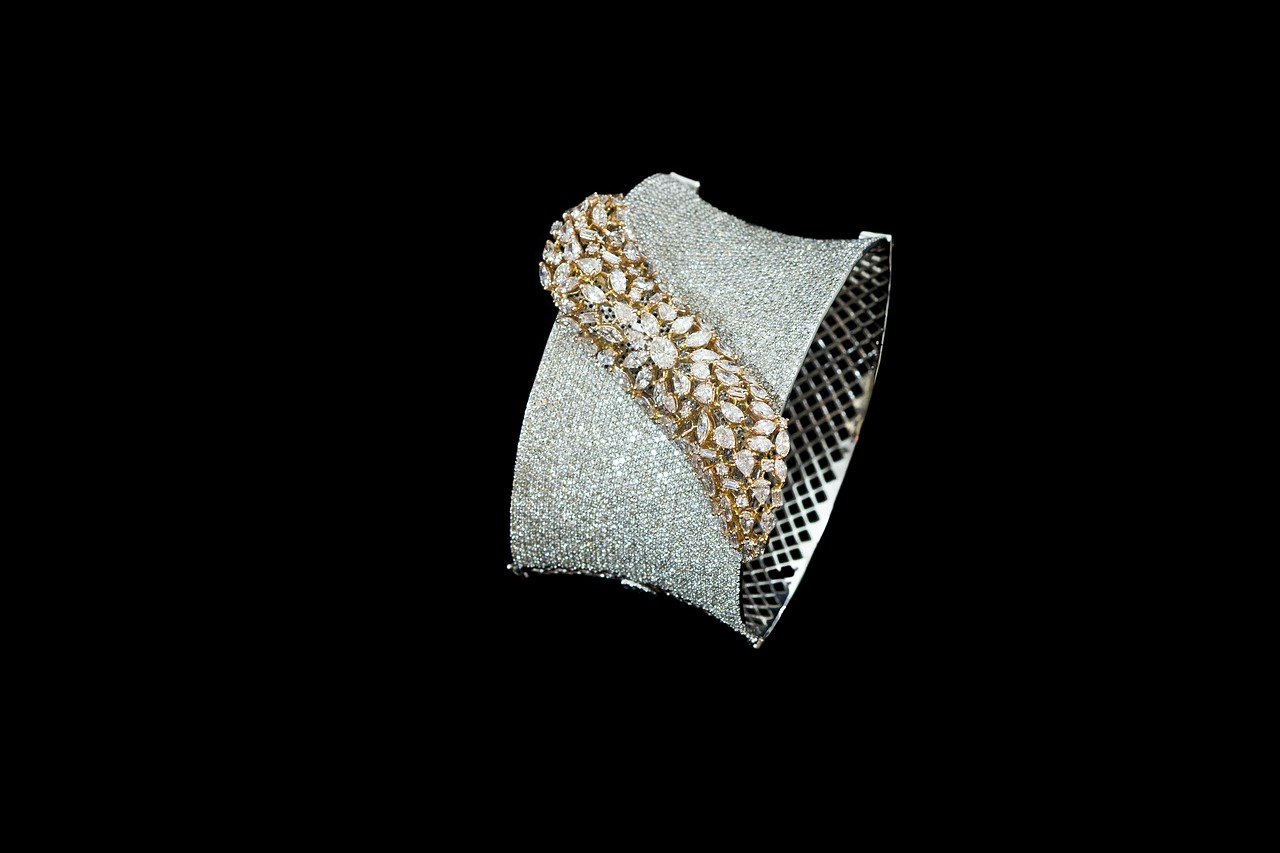
Diamond valuation is a critical process that ascertains the worth of a diamond, providing valuable insights for buyers and sellers alike. This comprehensive guide delves into the post-valuation documents you can expect to receive, ensuring transparency and peace of mind in your diamond transactions.
Understanding Diamond Valuation
What is Diamond Valuation?
Diamond valuation is the process of determining the fair market value of a diamond based on various factors such as cut, clarity, color, carat weight, and overall condition. This assessment is crucial for ensuring equitable trades and investments in precious gemstones.
Why is it Important?
Accurate diamond valuations protect consumers from overpaying or being offered less than a diamond’s true worth. It facilitates informed decision-making, especially when considering significant purchases or sales.
Post-Diamond Valuation Documents
Upon completing a professional diamond valuation, you will receive several important documents that provide detailed information about your gemstone. Here’s what to expect:
1. Valuation Report
This is the cornerstone document of the valuation process. It includes:
- Detailed Specifications: Precise measurements, proportions, and other physical attributes of the diamond.
- Grading Analysis: Evaluations based on the 4C’s (cut, clarity, color, carat weight) plus other factors like fluorescence.
- Market Comparison: Similar diamonds used to determine current market value.
- Conclusion and Value Estimation: The final assessed value of the diamond.
2. Certificate or Appraisal
A certificate or appraisal further supports the valuation report:
- Official Documentation: Issued by a recognized gemological laboratory (e.g., GIA, IGI) or an independent appraiser.
- Authenticity and Details: Confirms the diamond’s origin, treatment, and any specific features noted during the valuation.
- Legal Protection: Serves as official proof of value for insurance purposes and future transactions.
3. Lab Analysis (if applicable)
For diamonds with significant treatments or unique characteristics:
- Chemical Composition: Details about the diamond’s makeup, including any enhancements.
- Crystal Structure: Information on the internal structure and potential flaws.
- Treatment Reports: Documentation of any treatments, such as heating, irradiation, or dyeing.
4. Original Purchase Documents
If you’re reselling a diamond, these documents may be provided:
- Sales Receipt: Proof of purchase with original pricing and date.
- Warranty or Guarantee: Coverage details for any repairs or replacements.
- Retailer’s Information: Contact details of the store where the diamond was purchased.
Frequently Asked Questions (FAQs)
1. How do I know if a valuation is accurate?
Accurate valuations rely on reputable gemological laboratories or certified appraisers using standardized methods. Look for certifications from recognized organizations like GIA, IGI, or AGS to ensure the report’s credibility.
2. What if I disagree with the valuation?
If you’re dissatisfied with the assessment, consider seeking a second opinion from another qualified valuer. Remember, different evaluators might provide slightly varying opinions, so multiple perspectives can help clarify the diamond’s value.
3. Can I get a valuation for a diamond I’ve inherited?
Absolutely! Even diamonds passed down through generations require professional valuations to determine their current market value and ensure fair transactions.
4. How often should I have my diamond revalued?
Revaluations are recommended at least every few years, especially for significant diamonds used in engagement rings or heirlooms. Fluctuations in the gem market can impact a diamond’s worth over time.
Conclusion: Empowering You with Knowledge
Diamond valuation is not just about determining a price; it’s about ensuring transparency and fairness in the gemstone trade. By receiving comprehensive documentation, you gain valuable insights into your diamond’s unique characteristics and market value. These reports empower you to make informed decisions, whether buying or selling, and protect your investment in this precious asset.